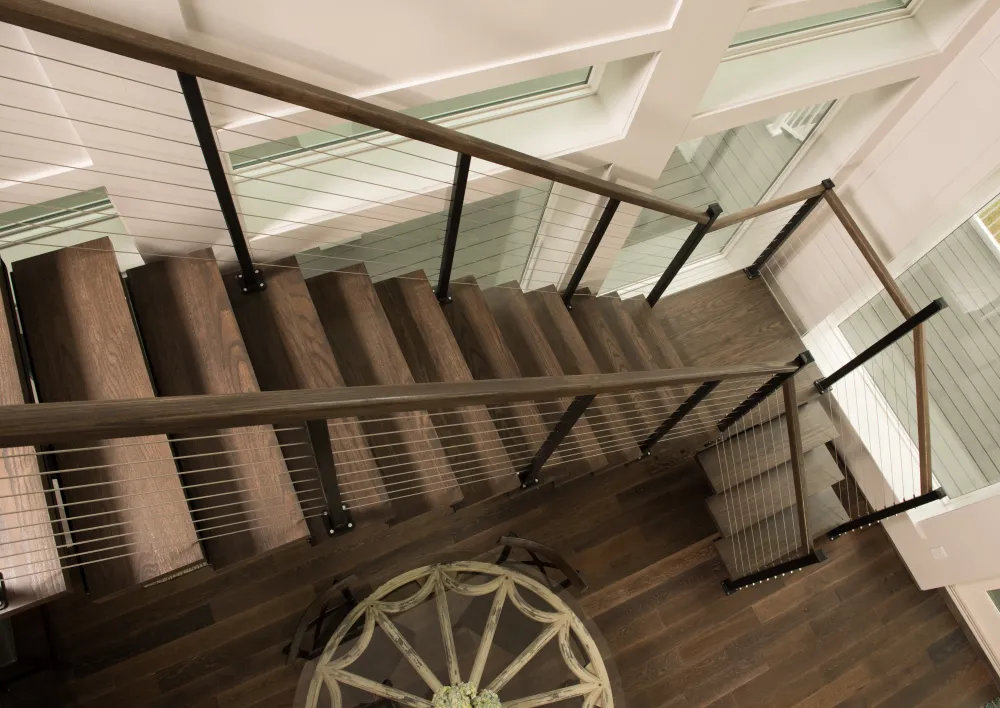
Professional Installation
Professional installation means every stage of the process meets a precise, documented standard, from the first anchor point to the final tread fitting. It is not simply careful work. It is a structured approach that treats alignment tolerance, vibration control, and structural anchoring as non-negotiable benchmarks. We approach each project with meticulous care, collaborating with clients, structural engineers, and architects to develop the best custom solution.
Handling begins before the staircase arrives on site. Stamped shop drawings, an anchor schedule, coating details, and a rigging or installation plan must be ordered and confirmed before fabrication begins. Skipping this stage is the single most common cause of delay and rework on floating staircase projects.
Wall blocking, structural anchoring, and laser leveling define the core of a precision installation. The steel cantilever structure is secured to the load-bearing wall using high-strength chemical anchor bolts, anchoring it firmly to both the floor and the top slab or steel beam, depending on the build. A complete installation checklist covers anchor embedment depth, torque records, tread deflection spot-checks, guard height measurements, and fastener counts at every step.
Anchor selection is as important as anchor installation. For structural steel applications in 2026, ACI updates favor chemical anchor systems for cracked concrete and dynamic loads because they maintain grip even when the substrate shifts. On a cantilevered staircase, where each tread transfers its load as a shear and bending force into the wall, a chemical anchor provides far more reliable long-term performance than a standard mechanical expansion bolt. A safety factor of two to four times the expected load is always applied to structural anchor calculations, especially in applications involving vibration or dynamic loading.
Alignment tolerance is where white-glove installation most visibly separates itself from standard fitting work. Every tread must sit level in both directions, not just left to right but also front to back. Mechanical expansion anchors suit sound concrete with proper edge distance, and adhesive anchors help when thicker embedment is needed or when sleeves are preferred. We record embedment depth and final torque for every anchor, giving the building inspector a clean paper trail at sign-off.
One of the most overlooked challenges in staircase installation is temporary support during the build sequence. Steel stringers are heavy, and holding them in a precise position while anchoring requires proper shoring and rigging. Accurate layout, temporary shoring, precision welding or bolting, and safe rigging drive the labor hours on a floating staircase installation, especially with tight tolerances. Rushing this phase causes misalignment that cannot be corrected without removing and re-anchoring the entire stringer.
After installation, a vibration check and torque recheck a few days later confirms all connections have settled correctly under their own weight. This follow-up step is standard practice in a white-glove process and is rarely included by general contractors who are not staircase specialists.
We document every stage with photographs of concealed conditions before cover plates go on, so every decision is visible and verifiable by the building inspector. This documentation becomes part of the project file and supports the permit sign-off process without delays. Explore the location pages to find a regional installation team that follows these engineering and documentation standards on every project.
Explore Our Solutions by Region
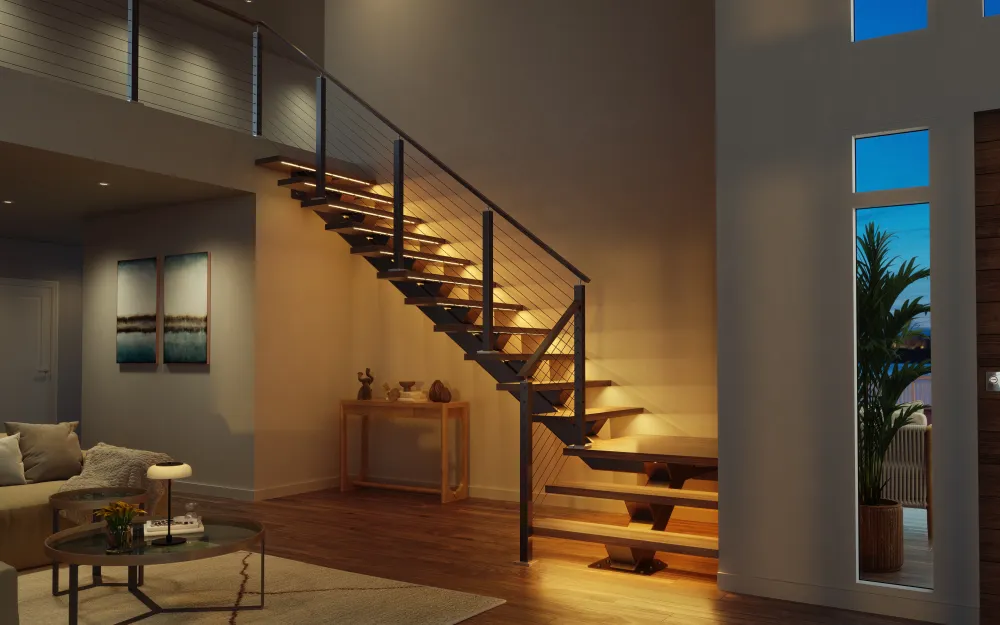
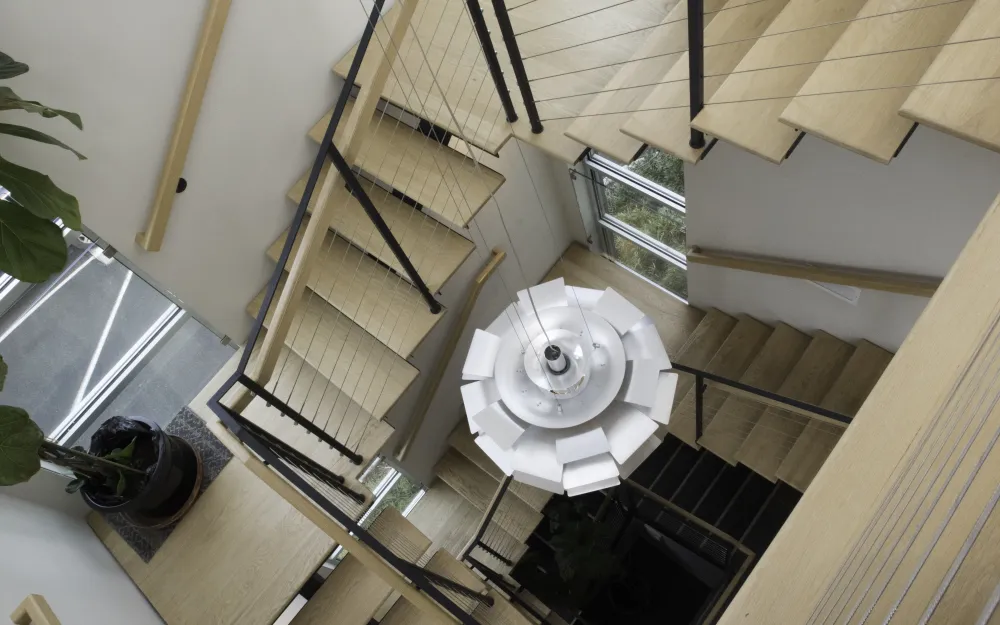
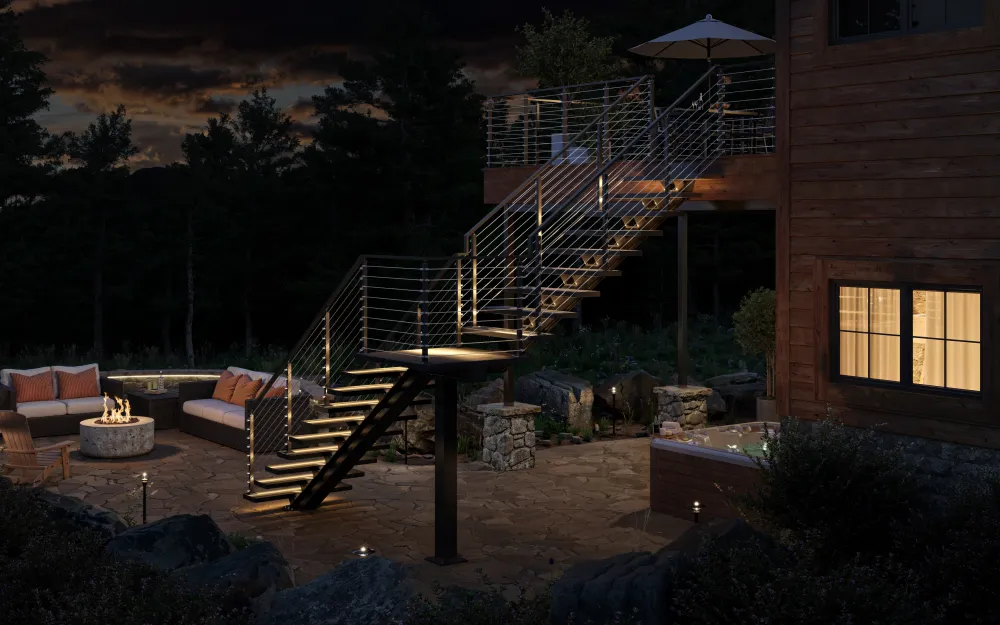
Find Professional Installation in Your Area
Connect with a regional installation team that follows precise engineering and documentation standards on every project.